Mid-March Fiction
It IS possible to ruin Pi Day.

1986
Nothing bad happens to me until I’m a junior in high school. I have the usual childhood traumas like knee scrapes and strep throats and bullies, but my Lafayette, Indiana childhood is pretty uneventful until Melissa, my neighbor and best friend for my entire life, moves to Japan (which may as well have been the moon) the summer between 10th and 11th grade. We’d been together since daycare, through Barbies and sleep-away camp and first bras and middle school boycraze and drivers ed. My grief is sudden and strange; I’d never before felt that kick to my heart, then utter emptiness. I stand in the street sobbing as they drive away; my mother holding my hand. “A friend like that,” she assures me, “you’ll have forever.” But I didn’t. I never saw her again.
My cousin Cherise, who is like my big sister, left for college the fall before—just to Bloomington so I see her often. But I’m lonely junior year. I’ve known most of my schoolmates since kindergarten, and I kick around with a loose group of nearby kids. I don’t fit into any of the established cliques: jocks, burnouts, nerds, Young Lifers. Mostly, I stay home and read or watch TV. School at Jefferson High is fine, but I’m bored, wondering if there’s more out there. At the beginning of the year, I’m excited about my English class and Mr. Hughes, who is supposed to be very cool though he’s older, like 40-something. He wears turtlenecks, wire-rimmed glasses and big hair, which detracts a bit from a bulging vein that runs across his forehead like a lumpy snaky river.
One fall evening, mom is working at her desk at home when I show her the list of assigned American literature books. “Hemingway?” she asks. “Fitzgerald? Steinbeck? Twain? Well, I like Twain but for fuck’s sake, no women?” She tosses the syllabus down on her desk and walks over to scan our overstuffed bookshelf. She finally pulls out The Color Purple by Alice Walker. “Here, give him this with my best regards.”
When I hand him the book the next day, he laughs. “Oh, she must be a women’s libber.”
“A what?” I ask. “Do you mean feminist?”
“Whatever they call it these days.”
“Then, yes, she’s a women’s libber, or whatever.”
I’m not exactly sure what he means (my mother is our county prosecutor), but I like The Color Purple a lot—it doesn’t seem like schoolwork though. And after that, Mr. Hughes’ gaze lingers on me more often in class.
Cherise comes home for Thanksgiving and I fill her in on school as we clear the table after the feast. “I have Mr. Hughes for American Lit.”
“Oh gross.”
“Why?”
“Jeeze, Mare, haven’t you heard? He sleeps with students.”
My scalp crawls and an internal sharpness grows inside me. “Says who?”
“It’s common knowledge. He waits until they’re seniors though, like that’s okay. My senior year it was Terri Hunt. We called her Hairy Cunt. Ewww,” she shudders, “he’s disgusting. And you’re naïve. I can’t believe you don’t know about him.”
When I return to school, I pay closer attention to Mr. Hughes’ behavior. There are only juniors in my American lit. class; I wonder which senior he’s sleeping with this year. When I start listening, I hear rumors about other teachers too, but the prevailing attitude seems to be: it happens, shrug. And some of the faster girls think it’s cool.
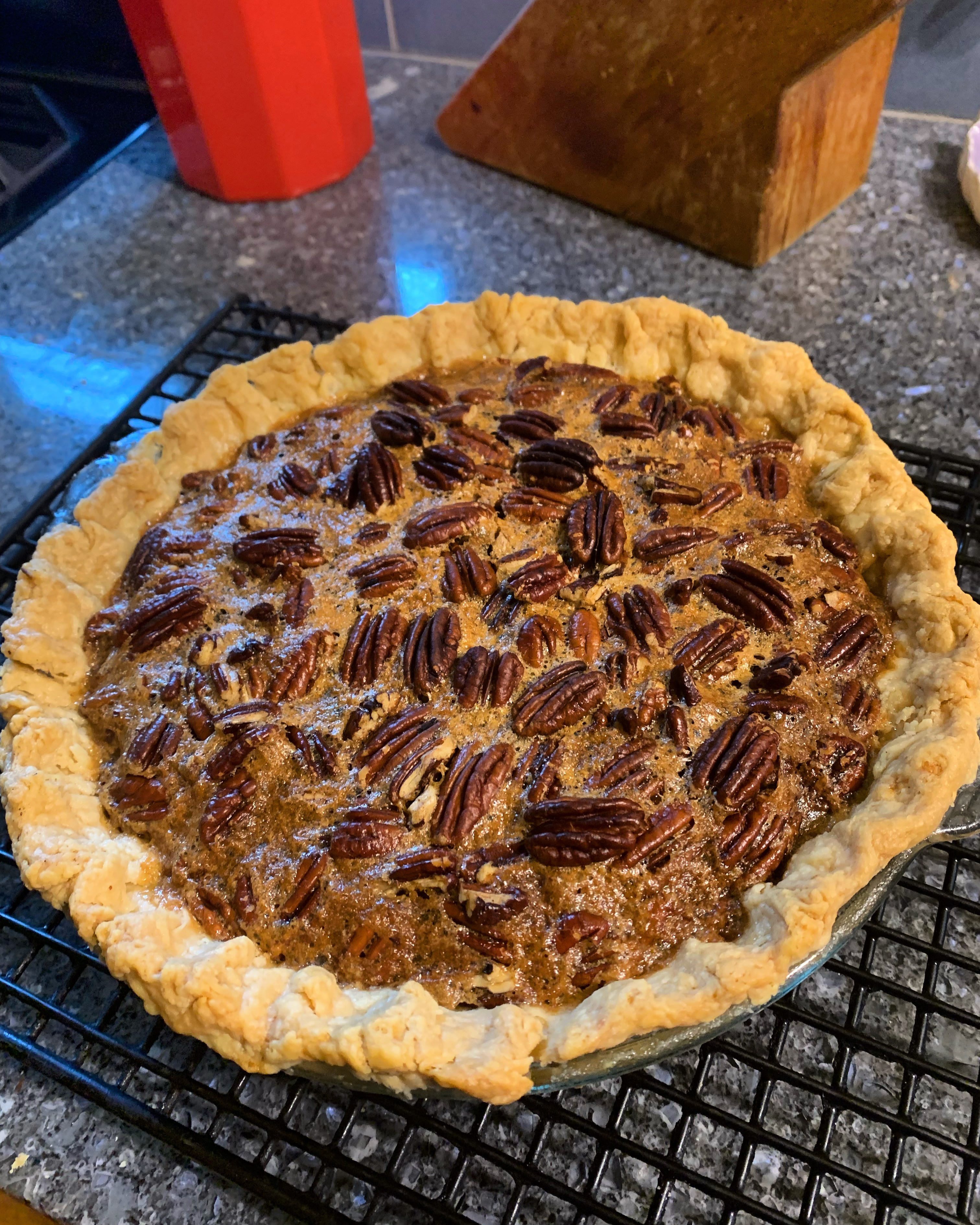
In mid-March, when basketball engulfs the state like a sweaty, stinky gym towel, Mom comes home from work to find me making a pie. A chocolate cream pie. Aunt Fiona and Cherise have taught me a few baking skills. “What in the world,” she exclaims. “We haven’t had pie in ages. Actually, I don’t remember you ever making one. What’s the occasion?”
“Tomorrow is pie day.” I answer. She looks blank. “Pi day!’ I tell her, “3/14?”
She laughs, “Oh, that’s lovely. I can’t wait—we can eat pie for breakfast.”
“Oh, it’s not for us.” I pour heavy cream into bowl to whip. “It’s Mr. Hughes’ birthday. He said any girl who brings in a pie gets extra credit.”
“NO!” Her good mood snaps. “Not happening.”
“But—.” I don’t even know how to fight her; she so rarely tells me no.
“That’s completely inappropriate. I’m calling over there tomorrow.”
“Oh, no! Please don’t do that.” The thought of my mother calling and complaining about Mr. Hughes almost brings me to my knees. “You can’t!”
“That pie is not leaving our house.”
“Mom!”
“Mary, I didn’t bring you into this world to be manipulated by toxic men. You’re much too smart for that.”
Mr. Hughes doesn’t control me, and she’s never told me why she brought me into this world.
“Anyway,” she continues. “I’m just glad you’re so sensible. I know you don’t have many male role models in your life, but just remember Mr. Hughes is not one of them.”
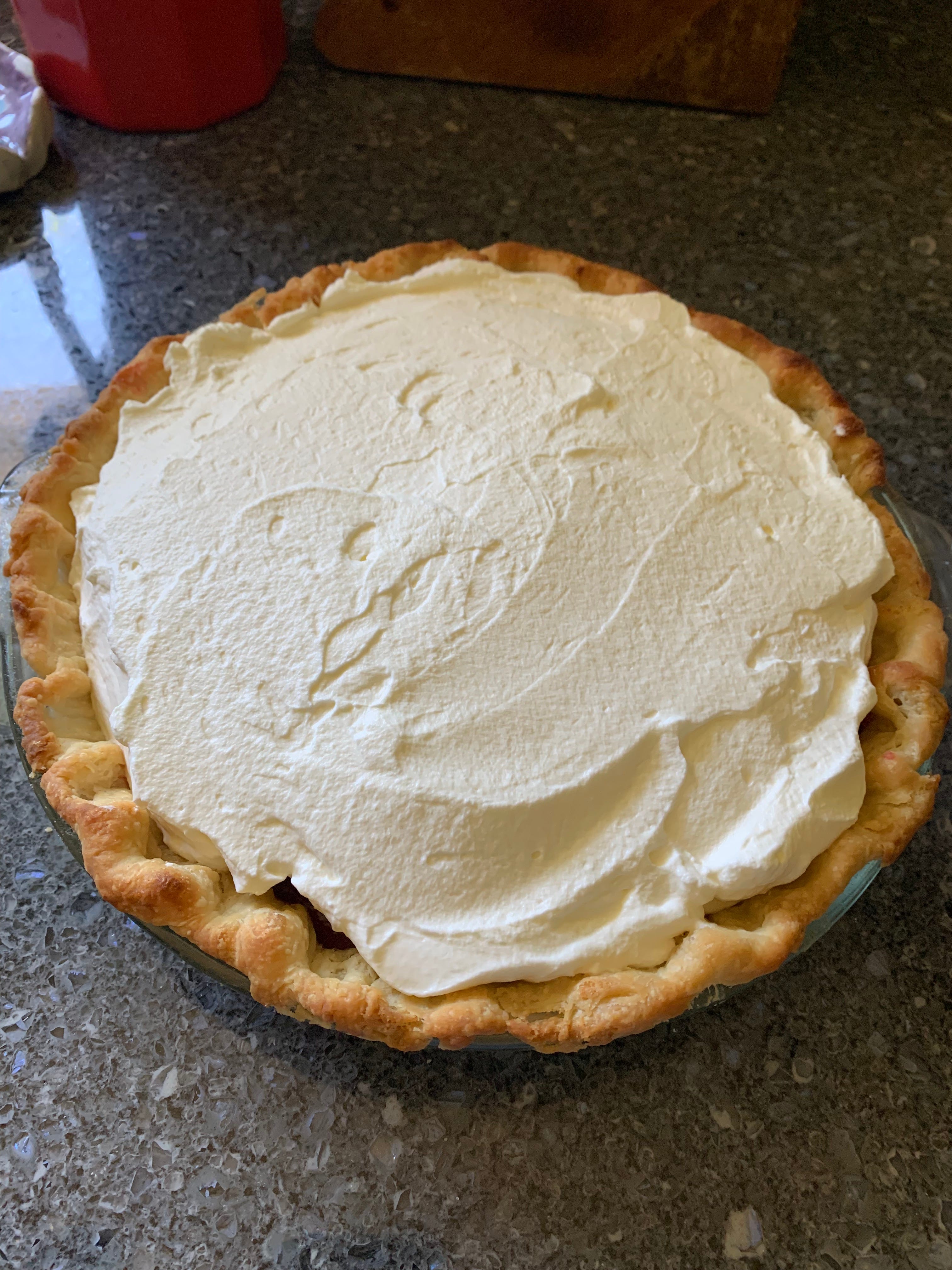
The next morning, after thrashing around trying to sleep all night, I can barely choke down the pie for breakfast. “Mom, really, please don’t call the school,” I beg.
She touches her pearl necklace half-hidden by her gray silk blouse. “Do you understand why he’s wrong to ask the girls to bring him pie?”
“Yes.” I grasp for some words. “He’s gross.”
She nods and sips her coffee. “Yes, he’s gross. Gross indeed. He’s using his power as a teacher and a man to make you do what he wants. Did he ask the boys to do it?”
I shake my head.
“It’s disgusting and troubling, like he’s grooming you,” she continues. “Just don’t let him suck you into his trap. He can make his own damn pie.”
In English class, Mr. Hughes lifts his eyebrows as I walk in. “Ms. Mary Contrary. You didn’t bring me a pie for my birthday? I’m hurt.” He places his hands over his heart like it’s sore and fake frowns with his lower lip sticking out.
“Sorry,” I mumble, and take my seat. That night, I realize none of the other girls in our class brought pie either. Maybe his special senior girl did.
A few days later, it’s St. Patrick’s Day and I wear a tight kelly green sweater that I love with my black Guess? jeans. In English, we’re reading The Call of the Wild. The day before, Mr. Hughes asked the class what all our reading this year has in common. Tanika answered, “Every man, or dog, in every story does whatever the fuck it wants.” We all laughed but he called her flippant and sent her to study hall for the rest of the period.
Now he comes close to my desk and leans over in my face, so close I can feel his moist breath. “Ms. Mary Contrary. Where’s your ‘Kiss me, I’m Irish’ button?” I shrug. But then I notice he’s staring down my V-neck at my barely existent breasts. I close my notebook and hug it against my chest. He finally skulks away. My face burns and I happen to glance over to Tanika. She meets my gaze, then nods, nearly imperceptibly. She knows.
The rest of the school year is confusing. I don’t have a dad; my silent Uncle Ed is somewhat of a male figure but I’ve been mostly in the company of women: my mother, Aunt Fiona, Cherise, Melissa. The boys I’ve grown up with still seem like kids. I know only embarrassing things about them, like who peed his pants in second grade, who comes to school with dirty hair and wrinkled clothes, who fights, who cries. Middle school was a hot jumble of crushes and make-out parties, coupling engineered and controlled by the girls. But now, in high school, I just haven’t been chosen. I haven’t been tapped.
Mr. Hughes makes me feel singled out. It’s mortifying yet I crave it. I can’t wait to see him every day, but when I do, I can barely breathe under his constant eyes. One day in May, I’m in history and look out the window to see my mother crossing the parking lot. I jolt, it’s so unexpected. She’s walking away quickly with one of her assistant lawyers; her face is stormy. Something is very wrong.
That night, she comes in with Chinese food for dinner. “Why were you at school today?” I ask.
She doesn’t answer right away, slowly pulling white boxes out of the bag. “I can’t really talk about specifics,” she finally says. “A parent asked me to look into some teachers’ behavior. Male teachers with female students.” She takes two plates from the cupboard and opens a carton of potstickers. “There isn’t any criminal behavior, but the culture at your school is very unhealthy. I’m not sure what I can do. It’s like they hone-in on the vulnerable, fatherless daughters.”
“Who are you talking about?” I ask, not really expecting an answer.
“Who do you think?”
The next day at school, Mr. Hughes slams The Color Purple on my desk. He leans over and whispers, “Tell your mother to mind her own fucking business.” His coffee-stenched breath is hot on my cheek and his forehead vein pulses. For the last weeks of class, he doesn’t look at me or call on me again. After school is out, mom tells me I’m going to the academy next year.
“What? It’s my senior year! You can’t just pull me out like that.”
“Well, I can. But what exactly is so special about Jeff now? Melissa is gone. You’ll still be friends with those kids but now you can meet some new ones. It will be a great experience going to a school that’s more academically challenging. And academy kids have more college options.”
Again, I don’t know how to fight her. She always makes complete sense and presents an airtight argument. “But I don’t want to change schools,” I tell her. “It’s scary.”
She strokes my long red hair. “I know, but it will make you stronger. You can reinvent yourself.”
“Mom, I haven’t even been invented yet.”
❤️❤️❤️❤️❤️ one heart won’t do it--i love this story!